Advantages and disadvantages
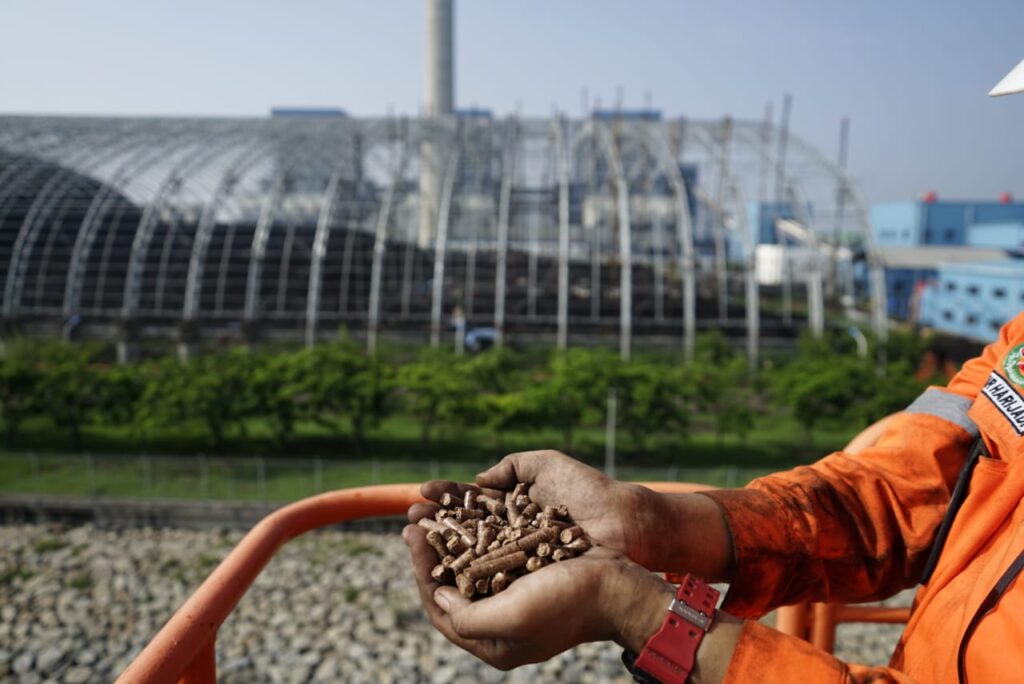
Now let’s discuss this further from two different perspectives. Indeed, renewable energy can be a hope for solving current problems.
However, how significant are the benefits of utilizing biomass? Is it always perfect? What about the impacts or drawbacks?
According to Syntech Bioenergy, there are several important things to consider regarding the advantages and disadvantages of using biomass.
Advantages
- A widely available renewable energy source, as the organic material produced by waste is unlimited.
- It is carbon neutral, meaning the amount of carbon released into the atmosphere is equal to the amount absorbed.
- It can reduce dependence on fossil fuels.
- It is cheaper than fossil fuels.
- Biomass production can increase producer income, for example, from waste generators. Production from waste is more profitable and can also add value to the waste produced.
- Reduces the volume of waste in landfills.
Kekurangannya
- Not as efficient as fossil fuels, and some biofuels require fossil fuel additives to increase their efficiency.
- Not completely “clean.” Although carbon-neutral, the use of waste, such as animal waste, can actually increase the amount of methane gas, which is harmful to the environment.
- It can lead to deforestation, as wood is one of the most popular primary sources of biomass energy.
- Crops producing large amounts of biomass will likely also take up more space.
Nevertheless, we certainly need to support all forms of innovation to achieve a clean and green earth again. This includes creating and using renewable energy.
Also Read: https://bornecoglobal.com/lorem-ipsum-dolor-sit-amet
Plants that can be used as biomass producers
Vegetation, especially that found in forest areas, plays a crucial ecological role as a provider of environmental services. In addition to storing large amounts of water, the large number of trees in a given vegetation plays a crucial role as a carbon sink.
Trees absorb carbon and store it in biomass through the process of photosynthesis. As mentioned in the previous section, plants are a promising producer of biomass. So, where does biomass actually come from?
- Teak (Tectona grandis)
- Jatropha curcas (Jatropha curcas)
- Oil palm (Elaeis gueneensis)
- Sugarcane (Saccharum officinarum)
- Cassava (Manihot esculenta)
In essence, biomass is the world’s most important renewable energy source, and its share will increase over time. Various policies will increasingly focus on renewable energy and conservation.
Furthermore, its potential for providing a cost-effective and sustainable resource and reducing greenhouse gas emissions globally is enormous.
Reference: https://chandra-asri.com/id/blog/biomassa-adalah