What is Biomass? Biomass can be considered a renewable energy source. In fact, its use is thought to reduce carbon emissions from fossil fuel use.
So, what exactly is biomass energy, and how does it impact the environment? Read on for the explanation below!
Table of Contents
What is Biomass?
Biomass is a form of renewable energy derived from organic matter such as animals and plants.
Biomass can be considered renewable energy because its growth (e.g., plants or trees) removes greenhouse gases like carbon dioxide from the atmosphere and stores them in soil, trees, and other vegetation.
Burning fossil fuels and biomass produces carbon dioxide (CO2). However, plants from which biomass is derived capture through photosynthesis nearly as much CO2 as they release when burned, making biomass a carbon-neutral energy source.
This energy is an important fuel source in many countries. Households typically use it for cooking or heating.
It can also be used as a transportation fuel and for power generation, as has been implemented in many developed countries.
What is Biomass Used for?
Biomass itself comes from organic materials such as trees, plants, and agricultural and urban waste. This energy can be used to generate heat and power plants.
It’s important to note that biomass can produce emissions ranging from 14% to 90% lower than emissions from fossil fuels for electricity generation.
Therefore, its presence can play a significant role in clean energy generation by reducing the use of fossil fuels and thus reducing greenhouse gas emissions.
Furthermore, almost all industries (such as agriculture, forestry, urban areas, hotels, sports venues, hospitals, and correctional institutions) can produce waste that can be converted into heat and electricity.
Therefore, the most significant benefits of using biomass energy include helping to diversify energy supplies, creating growth and jobs, and reducing greenhouse gas emissions.
What are some examples of biomass?
To better understand this, it’s also important to understand some examples of biomass. According to eia.gov, some examples include:
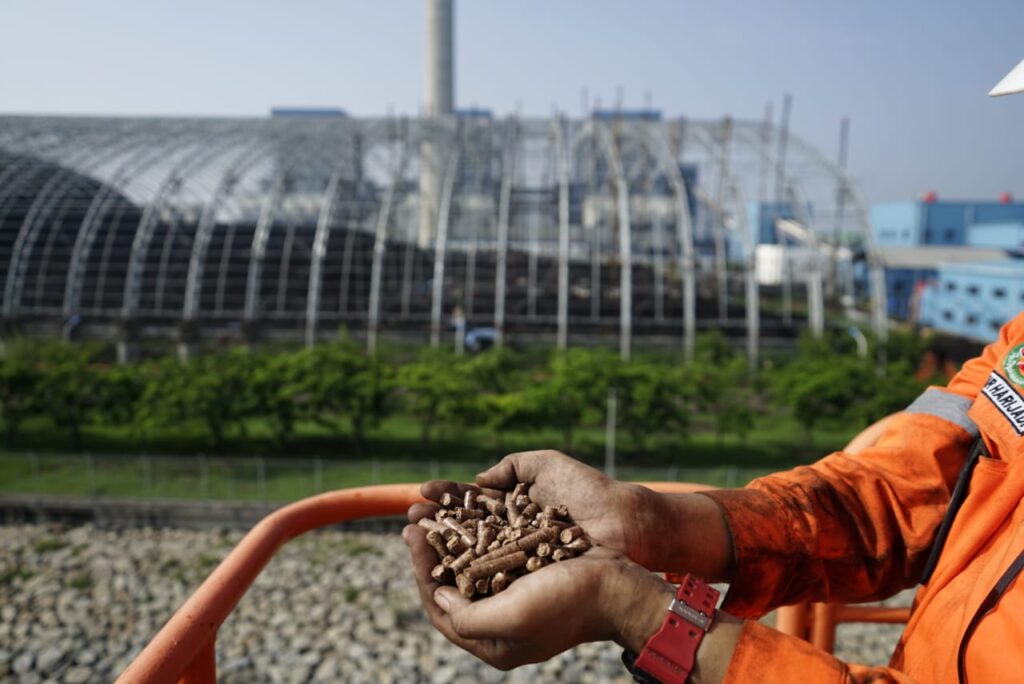
- Wood waste and processing. Examples include firewood, wood pellets, wood chips, sawdust, wood and furniture mill waste, and black liquor from pulp and paper mills.
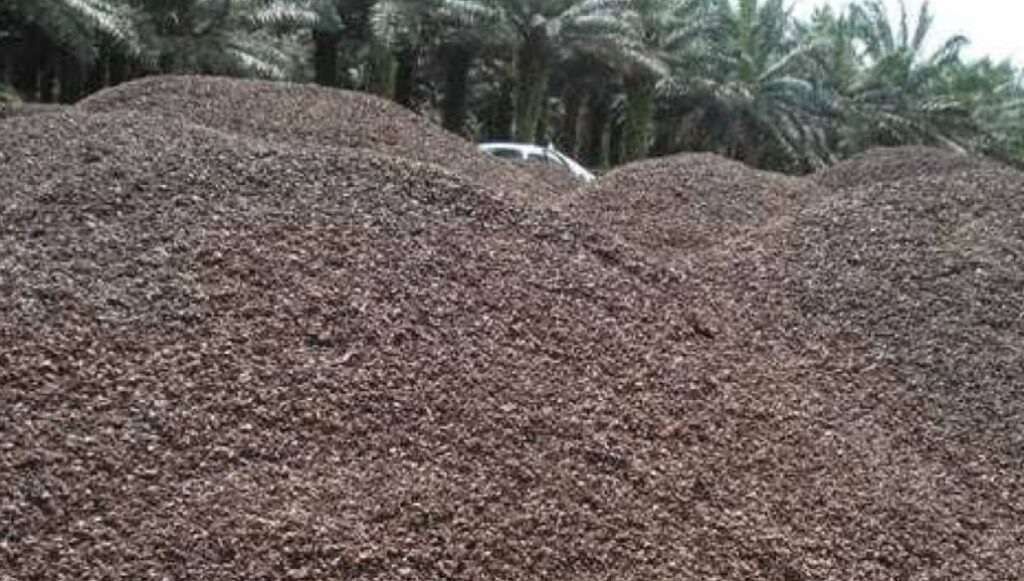
- Crops and agricultural waste. Corn, soybeans, sugarcane, and even woody plants and algae. Furthermore, crop and food processing waste can also be used to produce biofuel.
- Biogenic materials in municipal solid waste, such as paper products, cotton, and wool. Some can also come from food waste, yard waste, and wood.
- Animal (and even human) waste to produce biogas/renewable natural gas.